I'm hands-on in driving quality design decisions, turning complex workflows into simple experiences that drive growth and operational efficiency
Skilled at scaling products with data, driving cross-functional collaboration for optimizing workflows and processes that are more simpler, faster, and intuitive for the people who rely on it everyday.
Motivated by curiosity and simplicity. I have an instinct for pattern-finding and meaning-making.
Featured Work
Here’s how I blend assumptions, collaboration, and data into impactful design decisions
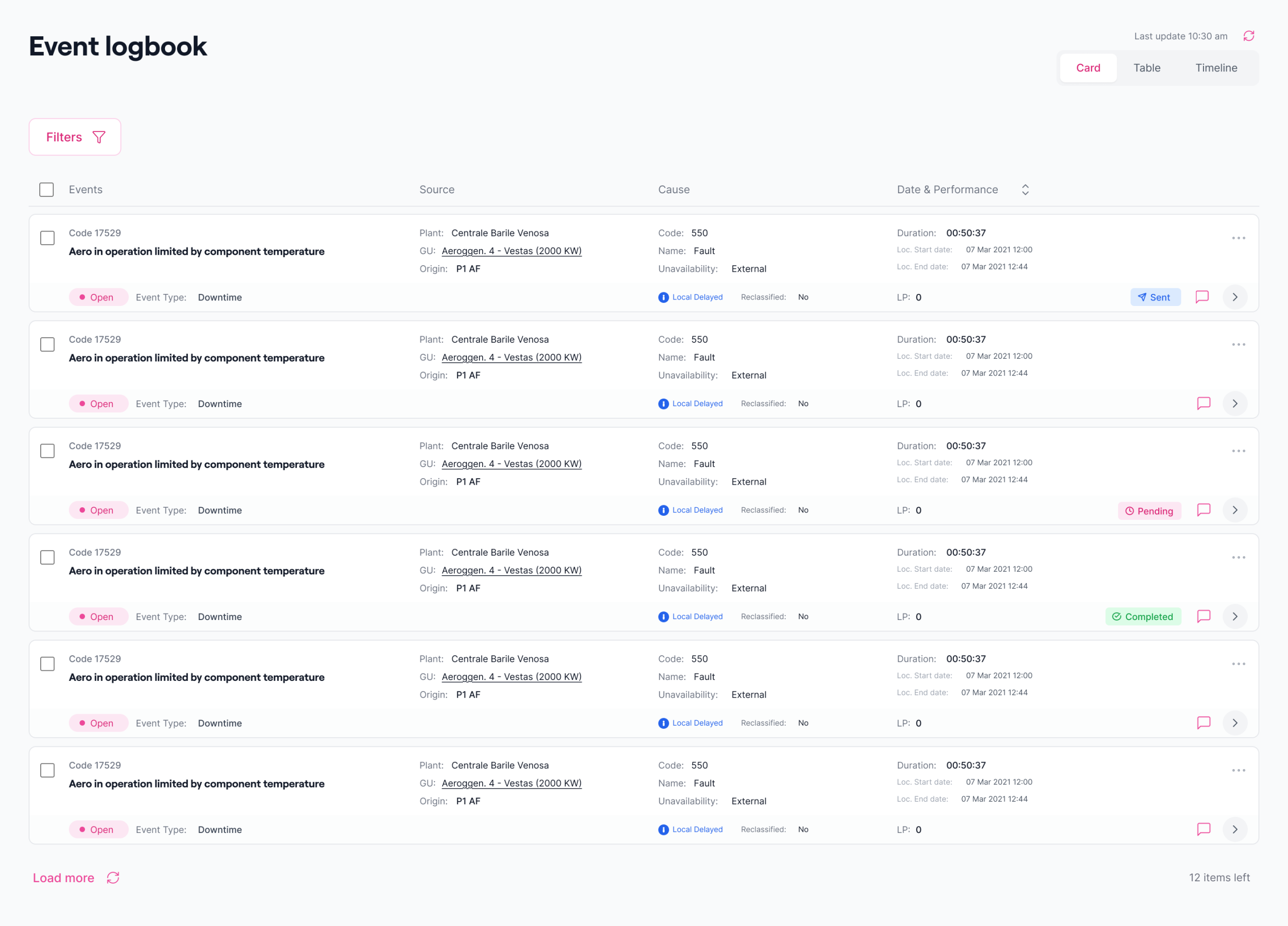
Redesigned a data-heavy incident workflow to increase adoption, turning 8+ scattered and non-compliant workflows into a simplified experience
By the time users realized the incident data was garbage, they'd already sent crews to the wrong location or started the wrong fix.
How might we help users manage events more easily? I consolidated various workflows into a centralized experience, making 2x faster incident reclassification response time.
+38%
Incident Reclassified Under Compliance
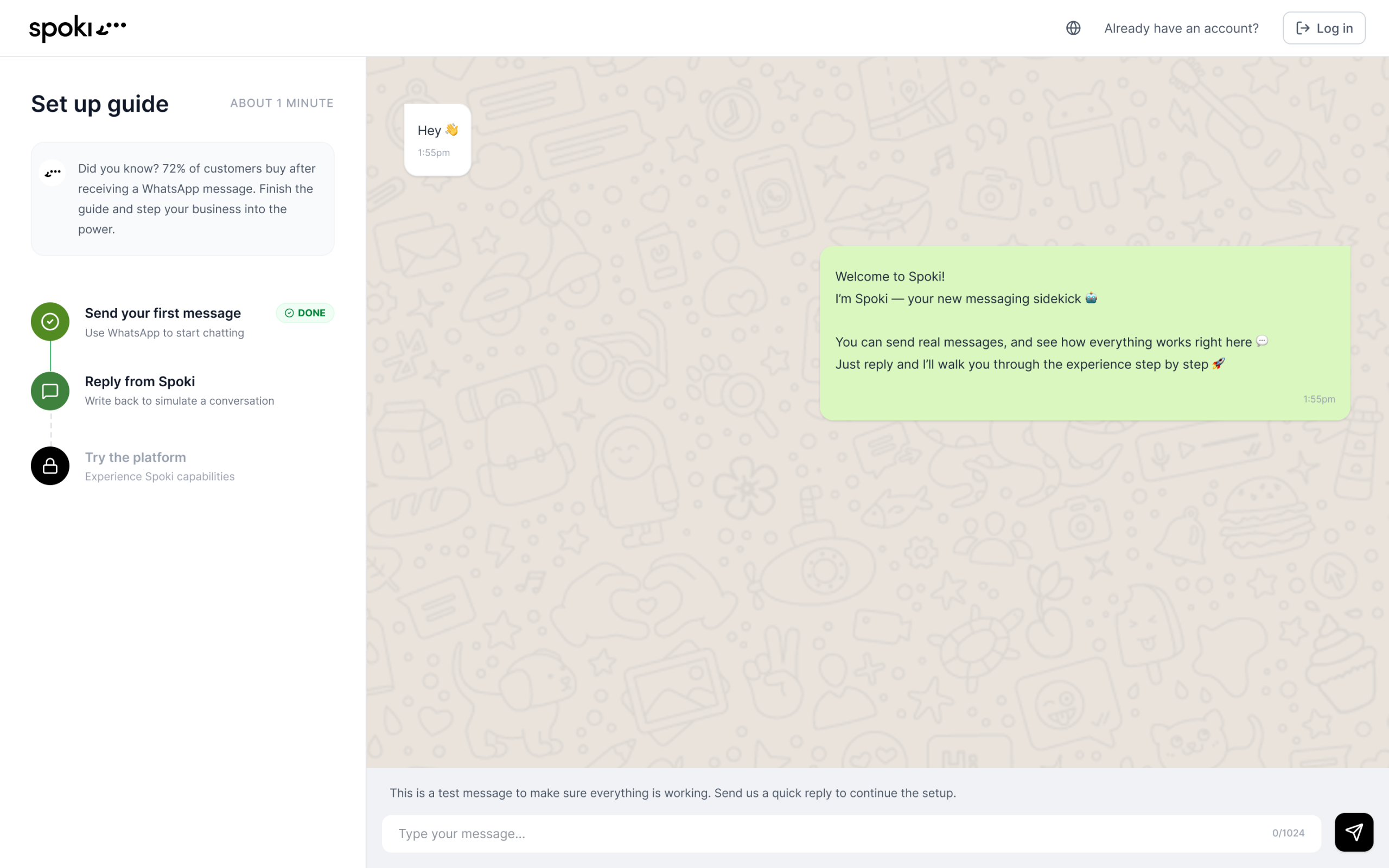
Designed a conversational onboarding experience that boosted sign-up conversion by 50%, delivering user value in under 2 minutes to scale Spoki 2M ARR
Business users were spending hours to understand the product value.
How might we help business users quickly understand the value the product brings to their lives?
I redesigned the onboarding flow, simplified activation, and ran experiments to shorten the path from intent to experience.
40x faster
Time to Value to reach the "aha moment"
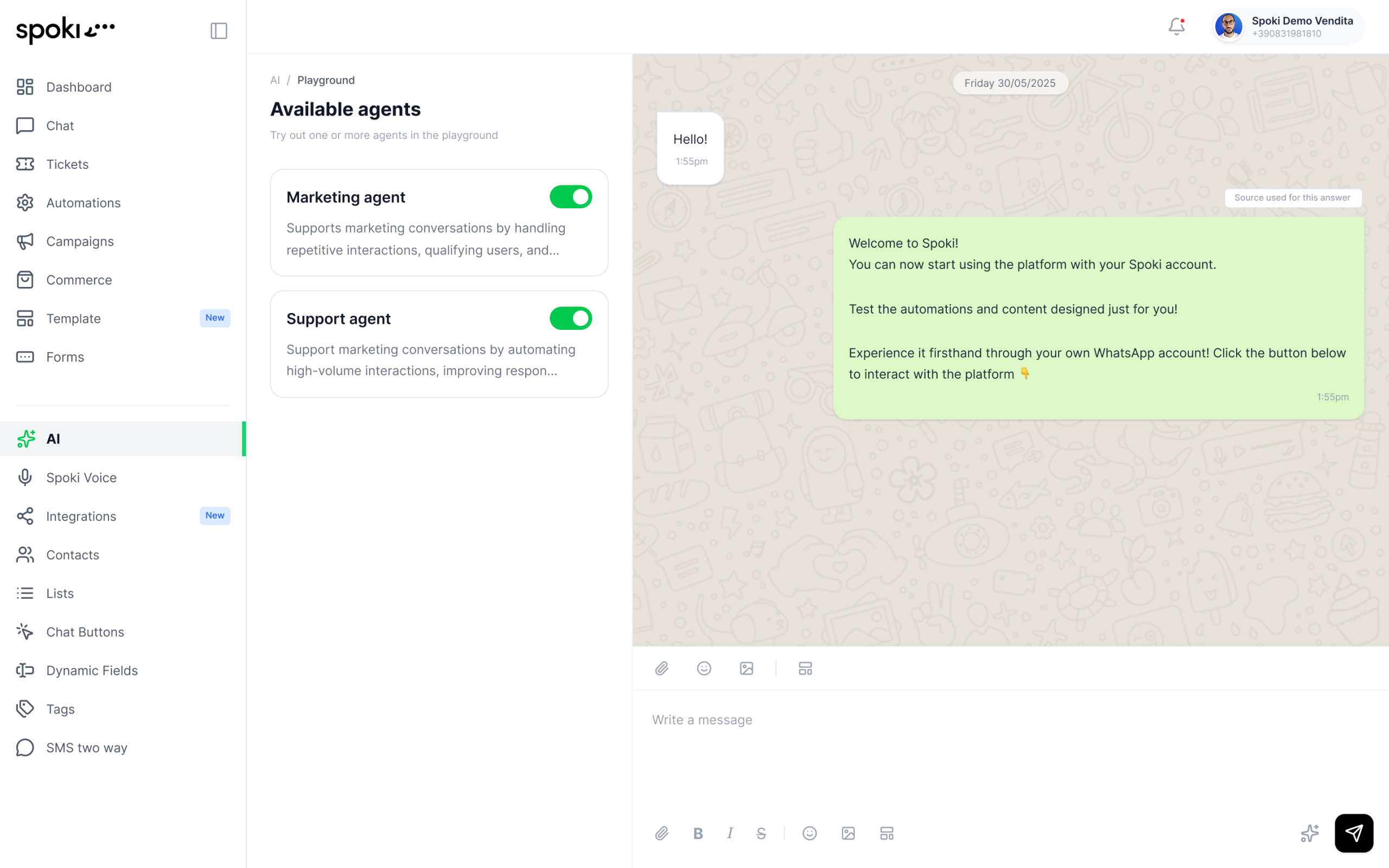
Designed the AI agentic flow to automate over 70M customer messages per month, ensured user clarity, trust and reliable responses from conversational AI replies
Design an AI agent creation system that is transparent, predictable, and adaptable across user types by turning complex backend validation into a reassuring, forward-progress experience that builds confidence in automated conversations.
8% ARR
enabling users to create AI Agents faster
Other Things I Do
I am passionate about building experiences that solve everyday problems for people. It's what motivates me every day.
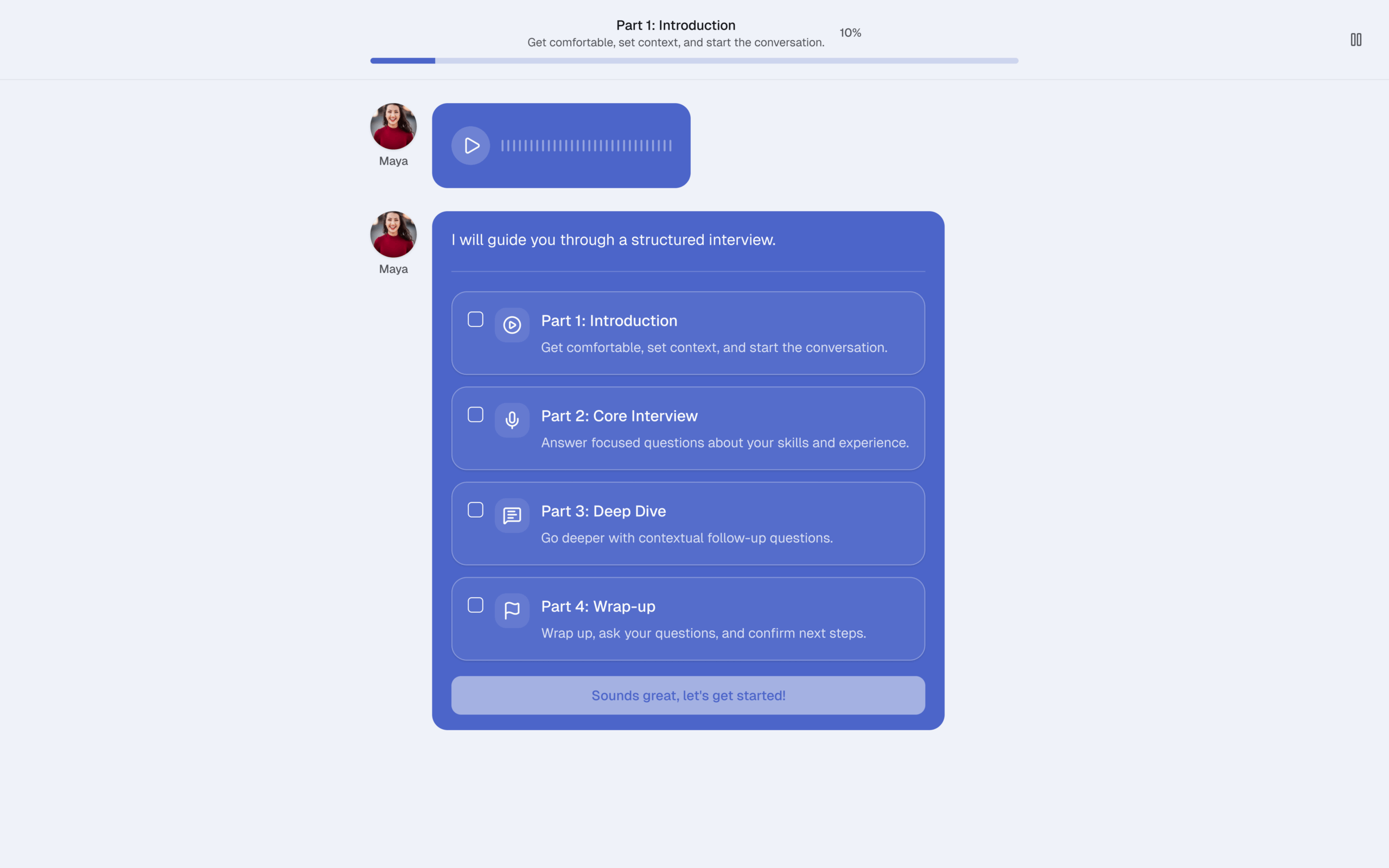
A Conversational Chatbot For Candidates Assessment
Built and shipped an AI Companion for enterprise HR teams. It helps assess people's skills, behaviours, and attitudes.
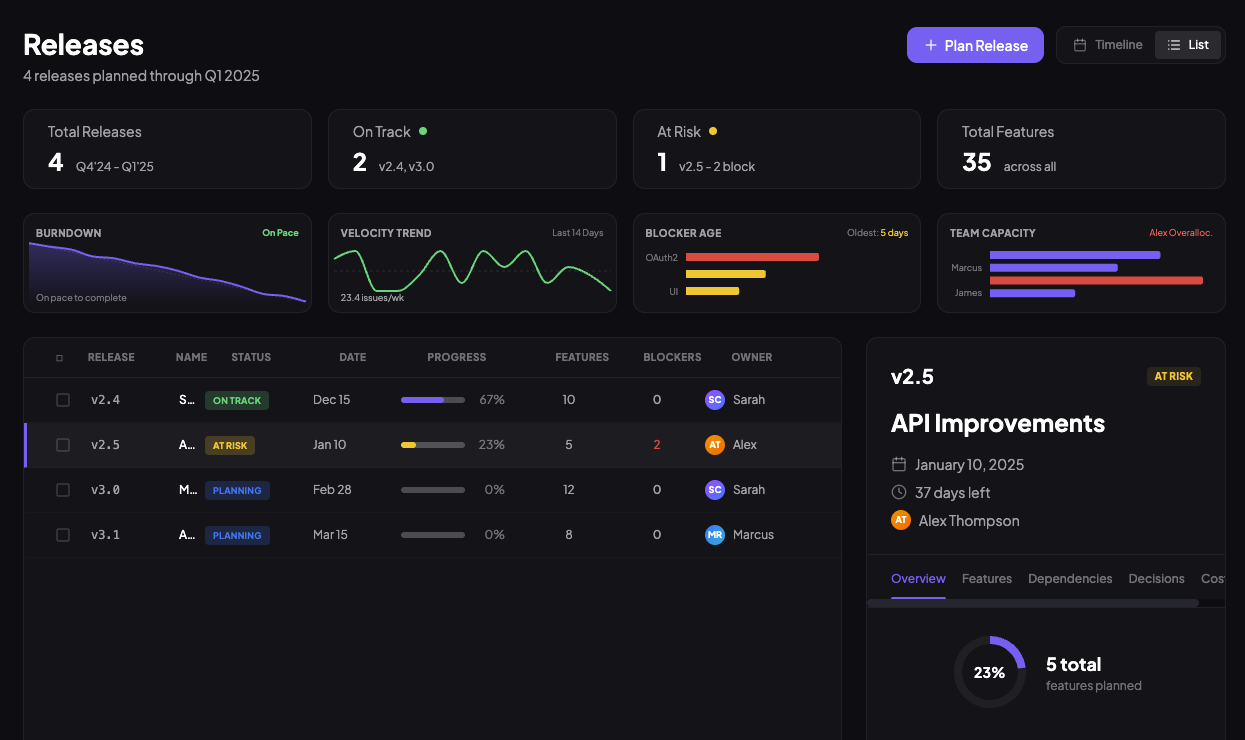
Turns Data Into Structured OS Decisions
Founded and led end-to-end, from initial idea to design and development. I identified the problem, defined the product vision, and translated it into a concrete OS decision assistant.
Eliminates the rework, meetings, and AI tool-switching that cost team resources.
I worked closely with the founder to shape the initial idea into a potential product direction. I helped define the problem space, clarify the value proposition, and translate a high-level vision into a usable product.
Popular Articles
Lately, I've been writing a lot to share my thoughts on modern AI Processes and workflows
How the product trio works in a continuum workflow with AI superpowers.
Gallup Report
Strategic
I have a natural ability to see patterns and multiple paths forward. I quickly identify the most effective route to solve complex product challenges and anticipate obstacles before they arise.
Learner
I'm constantly curious and energized by acquiring new knowledge. I dive deep into user research, emerging technologies, and industry trends to inform better product decisions and stay ahead of the curve.
Developer
I'm invested in growing both products and people. I see potential in early ideas and team members, nurturing them through iteration and feedback until they reach their full impact.
Achiever
I have a relentless drive to ship and deliver. I thrive on making tangible progress every day, turning ideas into real products that users can experience and benefit from.
Activator
I'm action-oriented and move fast from concept to execution. I turn discussions into decisions and prototypes into shipped features, energizing teams to stop planning and start building.
1.
2.
3.
4.
5.
I Enjoy Solving Complex Design Challenges
As a designer, I’m a problem solver at heart. I’m a structured and pragmatic person. so if I had to pick one strength that sets me apart, it would be my systems thinker mindset. I genuinely believe that connecting the dots and spotting how each touchpoint fits into the overall experience creates better and simpler software.
Below are a few Q&As to help you determine if I am the right fit.
1. Alignment + Data + Second brain
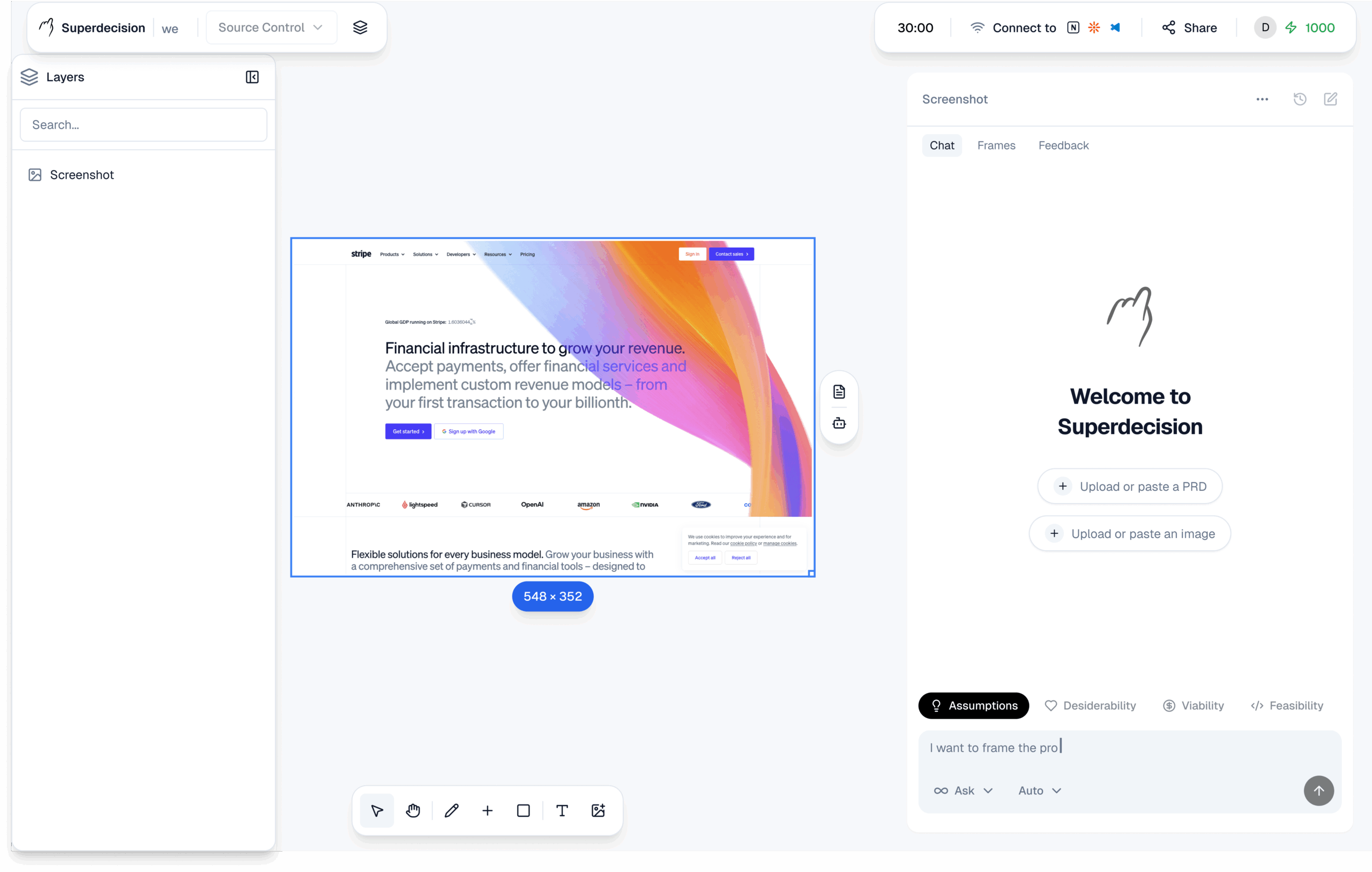
I'll sit down with my counterpart, the PM, and I'll ask product discovery questions to understand the desirability and viability of what we're solving. When I'm tackling a new task, I'll feed PRD, context, user research, and constraints into Claude, and ask it to surface angles I hadn't considered.
I also team up with engineering at the very beginning to understand any technical constraints that might shape the direction. I use qualitative research like interviews and usability testing, and I also dig into quantitative data using tools like Amplitude, Mixpanel, and Hotjar. This combination usually gives a full picture of user behavior and pain points.
2. Rapid-prototyping + Workshops + Early Test
I love facilitating workshops with my team to solve problems together. The key is I share these rough concepts super early internally—either through quick workshops or async with Loom videos to get feedback before I invest too much time polishing something that might not be feasible. Once we have a direction everyone's aligned on internally, I would run some moderated or unmoderated usability test with users to better understand if the solution solves their ways of working, as we intend.
3. UI Iteration and handover + Continuous discovery + Weekly sync
After we ship, I usually stay involved to monitor the metrics and user behavior to see if we actually solved the problem, and stay ready to iterate based on what we learn.
AI accelerates every stage. But judgment — on tradeoffs, on what to test, on what to cut — that's still mine.
This speed frees me up to spend more time on discovery work and collaborating with my PM and engineer in our trio.
Typography:
Colours:
Adora. I mean, color-wise? They're not using color to be pretty. Every shade is actually communicating something. State, hierarchy, feedback. It's doing real work.
Raycast is another one. The micro-interactions are just... chef's kiss.
It feels snappy without feeling like a toy. There's real weight to it.
Retool. Is the the ones I look at when I'm dealing with complex information architecture.
They manage to make dense data feel... breathable. Which is really hard to pull off.
For component work, I'll prompt with constraints. Like I'll literally say — use 8pt grid, these are my tokens, here's the pattern logic. And even then, I'm reviewing everything. Because it'll get 80% right and then do something weird with the spacing or nest components in a way that makes no sense in production.
AI doesn't really understand your system. It pattern-matches. So it'll suggest a component that looks right but breaks your spacing rules, or uses a token that's deprecated.
The more AI generates, the more small inconsistencies creep in. A slightly wrong border radius here. A shadow that's off. Like it's slowly losing integrity.
A design system isn't just components — it's decisions. Tradeoffs. Intent. Why does this pattern exist and not that one? AI can't carry that context. It just serves the nearest match.
So my take?
And this helps avoid those costly mistakes that come from, like, siloed thinking. It's really the foundation for quality decisions that brings up the users' needs and the business goals.
Early and continuous customer discovery creates this feedback loop that constantly tests team assumptions against reality. And that keeps away from building entire feature directions, on, you know, conviction, rather than evidence.
© SIMONE PULVIRENTI 2026
I'm excited to work together!
Say hi to drsimone.pulvirenti@gmail.com
https://www.linkedin.com/in/simonepulvirenti/
